Fungi
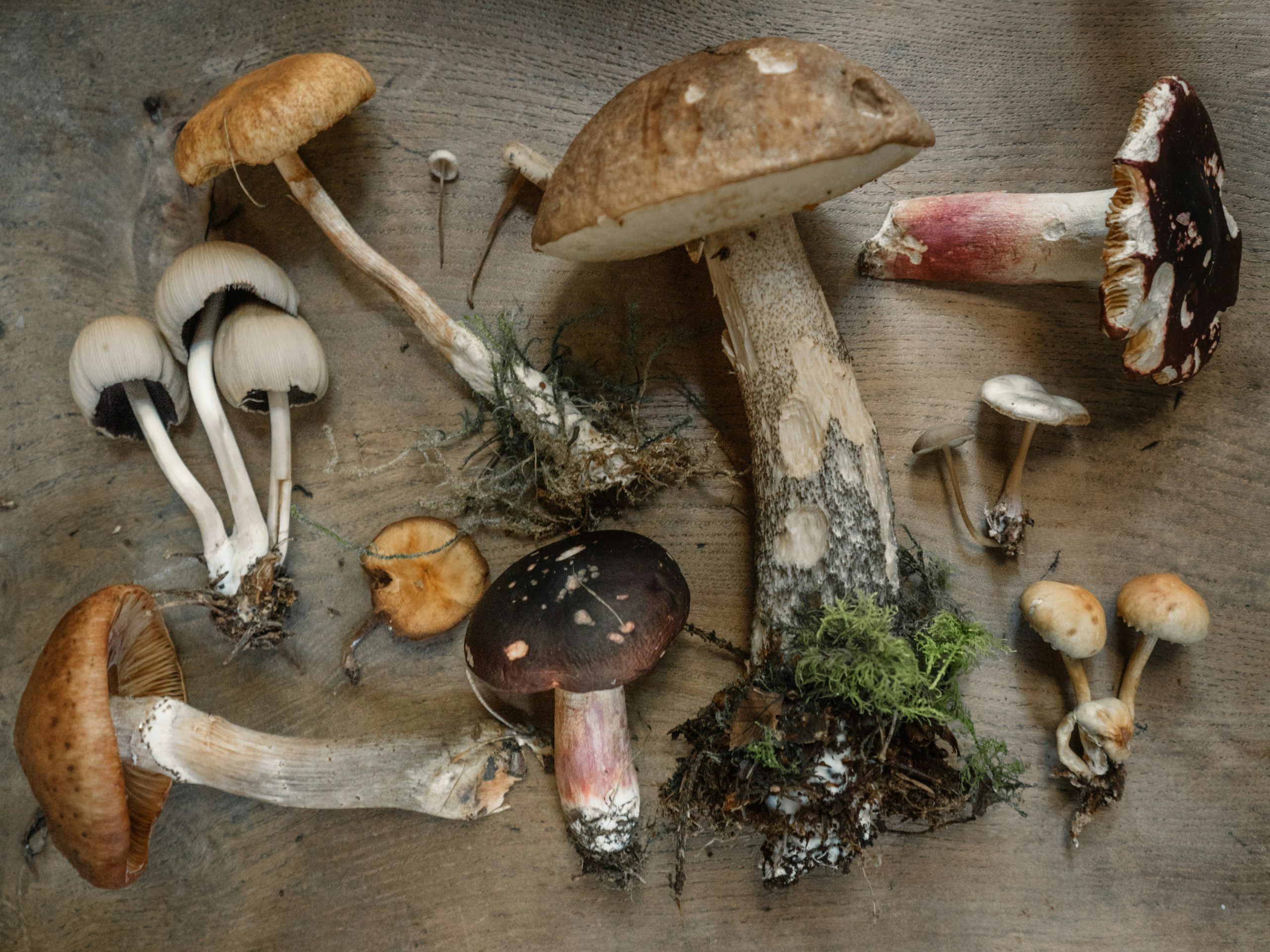
Autumn is a great time to head out to the woods and admire the large array of different fungi thriving at this time of year. As the conditions become damp and a little colder the fungi start to emerge amongst the trees and woodland life.
The part of the fungi that we can see is known as the ‘fruiting body.’ This is the section that contains and releases the fungal spores which produces the next generation of fungi the following year. But what we can’t see is the wide network between the fungi, this is the mycelium network that tracks across the woodland floor.
The mycelium network is a kind of fibrous root system that tracks between the fungi and trees, allowing absorption of nutrients and water. The fungi acts as an extension of the tree’s root system to improve absorption of nutrients, and the fungi benefits from the energy produced by the tree through photosynthesis – with the plants working together in a symbiotic relationship. This network is also thought to act as a kind of communication system, not just between the fungi, but also between the trees too.
It was the German forester, Peter Wohlleben, that referred to this incredible network beneath our feet as the “Woodwide Web.”
Fungi play a vital role in the woodland, not only supporting trees with nutrient absorption, but also by helping to recycle nutrients and break down decaying plant matter on the woodland floor returning nutrients back to the soil.
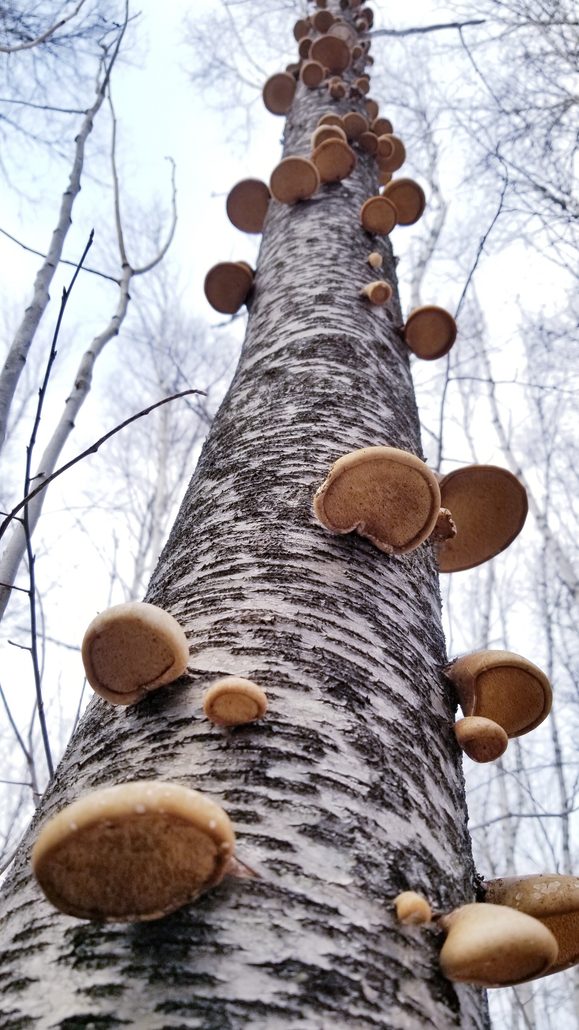
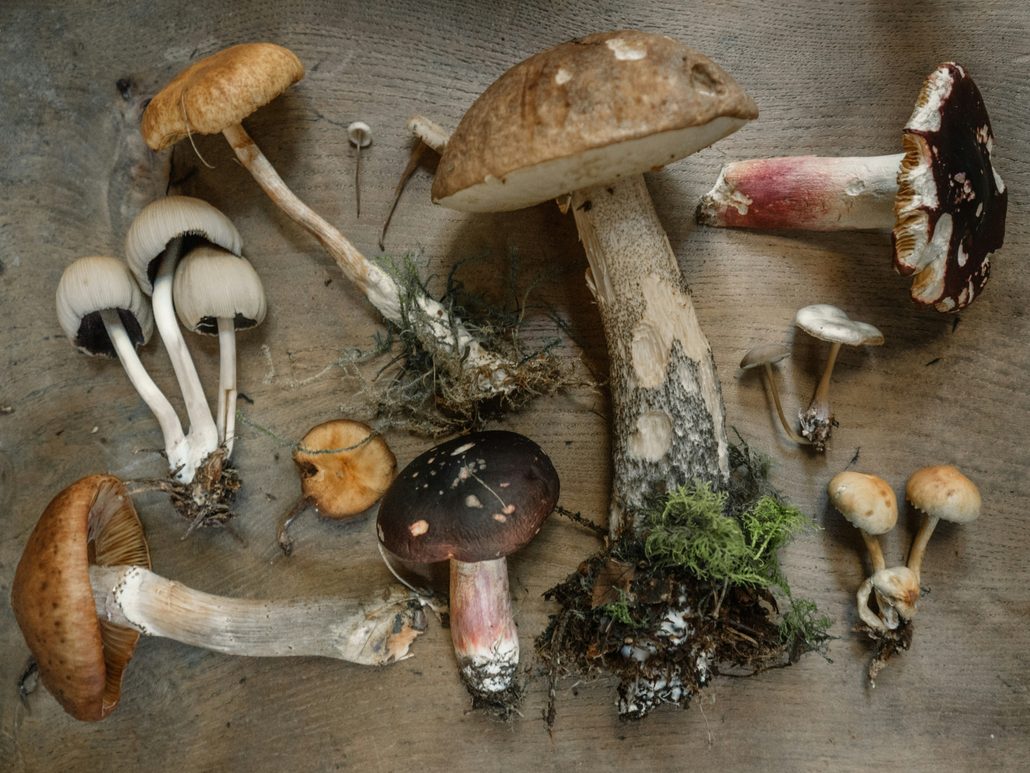
There are a wide variety of fungi, some with more distinguishing features than others. Some grow directly on the ground and some, known as bracket fungi are found growing on trees both alive and fallen. Many are specific to certain tree species, like the Birch Polypore for example, which can only be found growing on birch trees.
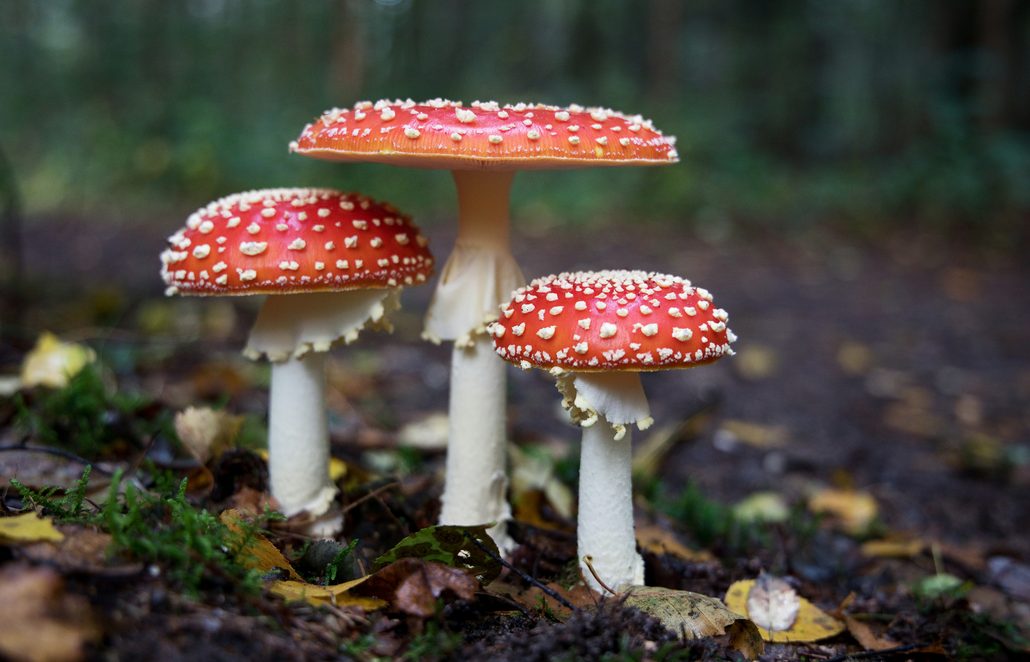
When identifying fungi it’s important to remember that there are many that look very similar. There are some, such as the Flyer Garic that are very obvious with distinguishing features unique to that fungi. But others, such as the Honey Fungus can be easily mistaken for other types of fungi.
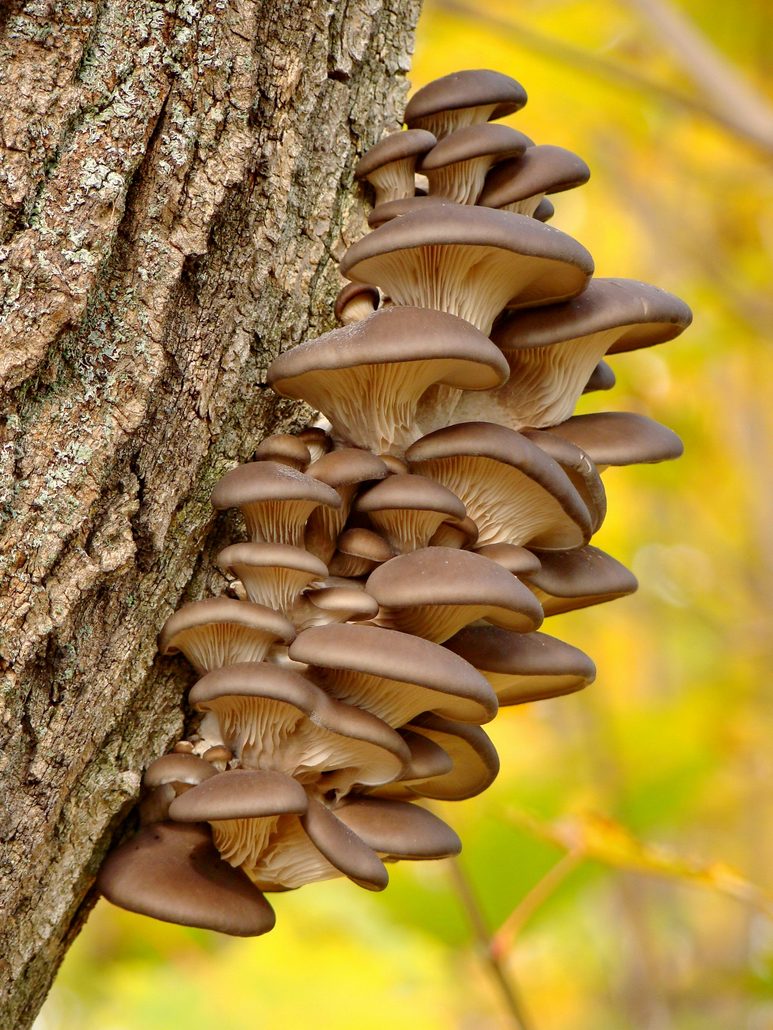
It is vital to remember that although some fungi are edible to us, that many are definitely NOT, so extreme caution needs to be taken if foraging for fungi. Only forage fungi if you have the correct knowledge or if you are with an expert – but as always be 100% sure of your plant ID.
There are many edible fungi in the UK, but there are just as many that are highly toxic, so always be 110% sure with your identification before foraging. You can never know too much about fungi ID so speak to experts, go on courses and always carry a good identification book with you too to double check when out and about.
These are 5 considerations to make when identifying fungi-
𝟭. 𝗛𝗮𝗯𝗶𝘁𝗮𝘁
Consider whether this is the habitat you’d expect to find the fungi you think you’ve found in. If not, chances are it’s not the fungi you thought. There are many species that look very similar but grow in different environments – and consider what it’s actually growing on – some grow on certain trees and others will only be found on the ground, so this can help you decipher which variety of fungi you are looking at.
𝟮. 𝗙𝗿𝘂𝗶𝘁𝗶𝗻𝗴 𝗕𝗼𝗱𝘆
Take a close look at the fruiting body, consider its size, shape and colour.
𝟯. 𝗚𝗶𝗹𝗹𝘀
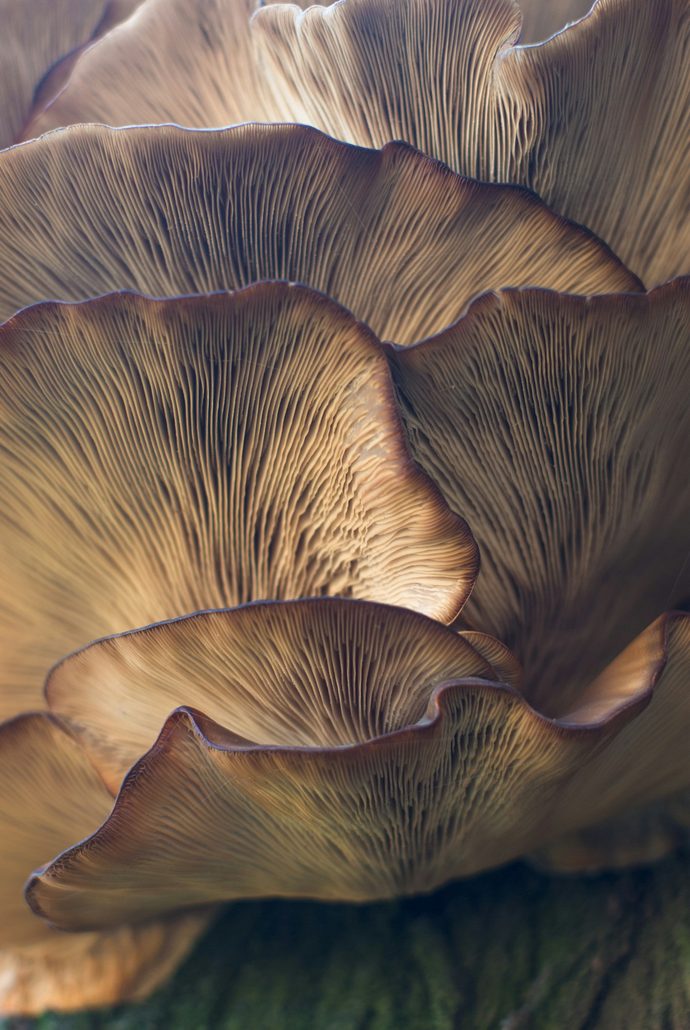
Study the gills, are they what you’d expect to find on the species you think you’ve found? Pay particular attention to how the gills attach to the stem as this can vary and be another identifying feature.
𝟰. 𝗦𝘁𝗲𝗺
Look at the stem itself, pay attention to its shape, colour and size both in height and diameter.
𝟱. 𝗦𝗺𝗲𝗹𝗹 & 𝗧𝗲𝘅𝘁𝘂𝗿𝗲
Do this stage last, by now you should have a good clue as to what you are looking at. Smell the fungi, take a gentle sniff rather than a deep inhalation, after all, you don’t want a big lungful of fungal spores from an unidentified fungus! Check the texture by looking at it and gently feeling it, DON’T bite it to check!! ….it sounds obvious, but you’d be surprised what some people will do.
𝗕𝘂𝘁 𝗮𝗹𝘄𝗮𝘆𝘀 𝗿𝗲𝗺𝗲𝗺𝗯𝗲𝗿, 𝗜𝗙 𝗜𝗡 𝗗𝗢𝗨𝗕𝗧 𝗟𝗘𝗔𝗩𝗘 𝗜𝗧 𝗢𝗨𝗧!
Although we say to be cautious when identifying fungi for foraging, studying these incredible plants can be fascinating. After all, there are some seriously funky fungi out there!